
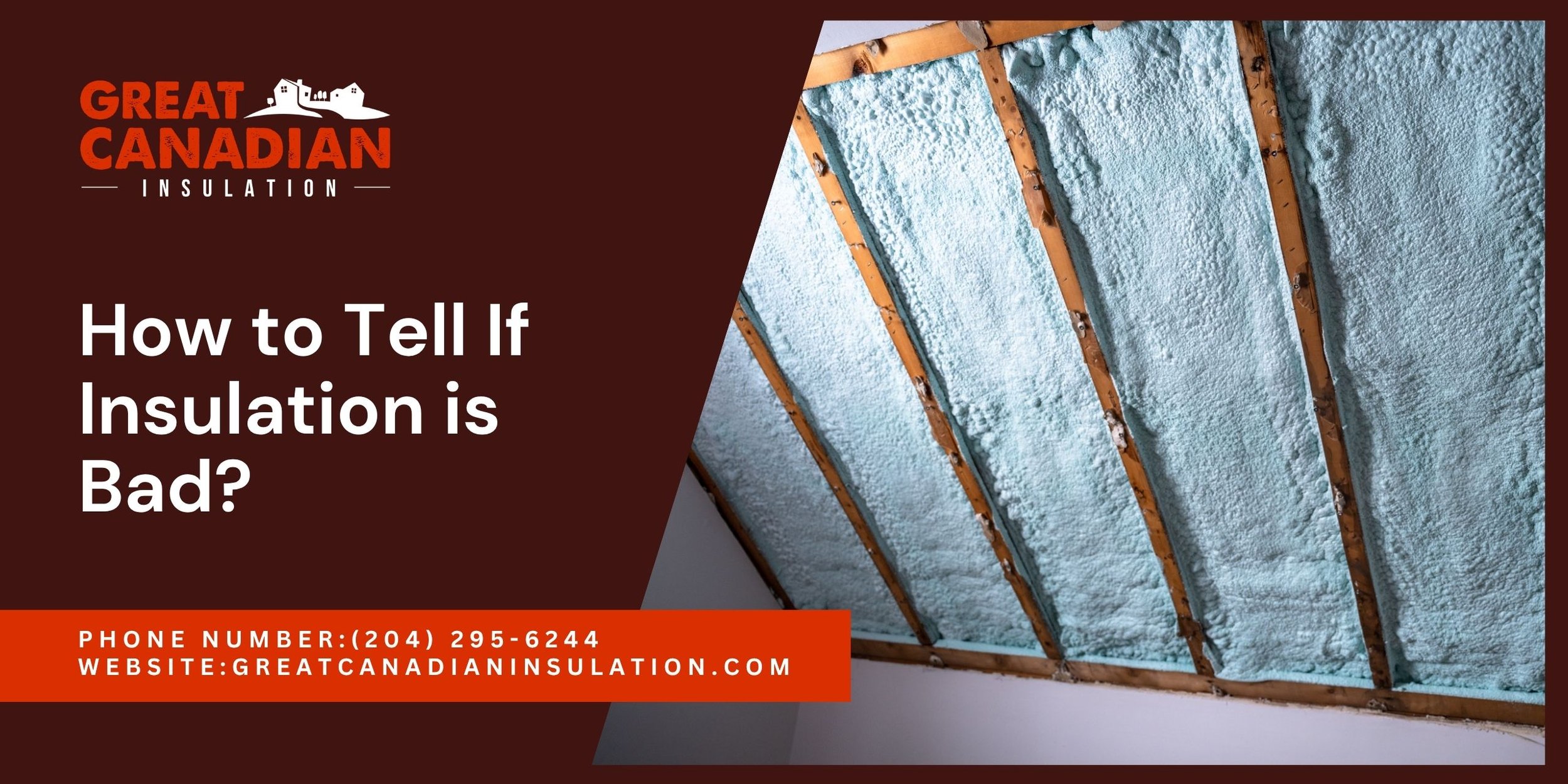
Homeowners tend to forget about their insulation until there’s a problem! Whether it’s a drafty room, cold floors or rising energy bills, you’re bound to notice at some point. It’s only then that you realize insulation is essential to maintaining your home’s comfort and efficiency. When it starts deteriorating, it can impact everything from your heating costs to your indoor air quality.
How can you tell if your insulation has gone bad? When your insulation is properly installed by a professional insulation company in Winnipeg, it’s very difficult to tell. At Great Canadian Insulation, we help homeowners identify these issues before they turn into more expensive problems. Let’s explore the warning signs, why insulation fails and what you can do to keep your Winnipeg home warm, energy-efficient and comfortable.
Why Insulation Deteriorates over Time
Even the best insulation starts to degrade after years of use. Most materials last anywhere from 15 to 30 years, depending on their type and environment. Here’s what causes insulation to fail over time:
Moisture Exposure: Leaks or high humidity can soak into insulation, reducing its thermal resistance and creating a breeding ground for mold.
Rodent or Pest Damage: Mice, birds or insects can nest in insulation, tearing and contaminating the material.
Settling and Compression: Fibreglass or blown-in insulation settle as the years pass, leaving gaps that let warm air escape.
Winnipeg’s Harsh Climate: Between freezing winters and humid summers, our weather can speed up wear and tear.
If your insulation looks fine at a glance, there might still be hidden problems. Don’t compromise on your home’s comfort and efficiency.
Signs Your Insulation Might Be Failing
Is your home no longer comfortable? Are your heating bills climbing? Your insulation may be the culprit. Here are a few telltale signs:
Rising Energy Bills
Energy costs shouldn’t increase if your usage hasn’t changed. If heat is escaping through poorly insulated walls or attics.
Uneven Room Temperatures
Do some rooms feel colder than others? The inconsistency is a sign that insulation has shifted, compressed or deteriorated.
Drafts or Cold Floors
Watch out for cold air sneaking through floors, ceilings or walls. These are telltale signs of failing insulation.
Moisture, Condensation or Mold
Dampness or mold in your attic or basement is likely a result of compromised insulation. Moisture can spread quickly, damaging your home’s structure and reducing air quality.
Pests and Rodents
Droppings, nests or strange odours in your attic or crawl space can mean there’s pest activity. This often indicates an infestation.
If you notice one or more of these signs, consider booking a professional inspection. At Great Canadian Insulation, we identify problem areas using advanced tools like thermal imaging to spot hidden energy leaks.
Why Replacing Bad Insulation is Important
Ignoring the problem or adding a bit of insulation here and there isn’t the way to go. Failing insulation can lead to the following:
Higher Heating and Cooling Costs: Your HVAC system has to work harder to maintain comfort.
Mold and Structural damage: When moisture gets trapped in old insulation, it can lead to expensive repairs.
Health Concerns: Mold spores and allergens can impact your home’s air quality.
When your insulation is replaced correctly, you can benefit from lower bills, which improve your home’s comfort and longevity.
When to Replace vs. Add More Insulation
Is your insulation still dry, clean and undamaged? Consider adding a new layer to improve efficiency. However, when it gets wet, moldy or contaminated, remove it entirely.
Here’s a basic overview:
Replace insulation when you see signs of moisture, pests or visible deterioration.
Add new insulation if the existing material is in good condition, but lacks adequate coverage.
At Great Canadian Insulation, we assess your home to determine the best option. Whether we’re layering new insulation or replacing it entirely for maximum energy efficiency, we’ll recommend what works best.
Time to Check Your Insulation
Bad insulation affects your comfort, your home’s health and your wallet. If your home is drafty, unevenly heated or has rising utility bills, consider an insulation upgrade. At Great Canadian Insulation, we make sure your Winnipeg home is warm, efficient and worry-free year-round. From spray foam to fibreglass batt and blow-in insulation, we’ll recommend the best solution for your space.
Ready to find out if your insulation needs replacing? Contact us for a consultation today!